This page contains affiliate links. If you make a purchase through one, we may earn a commission at no extra cost to you.
“Noise cancelling” and “noise isolating” get used almost interchangeably in marketing copy, but they’re genuinely different technologies that work in different ways — and knowing the difference matters if you’re buying headphones specifically for commuting or travel. If you already know you want real ANC, see which Marshall models include it — otherwise, here’s what actually separates the two technologies.
Passive Isolation: Physical Blocking
Passive isolation is just physics — a sealed ear cup (or a deeply-inserted in-ear tip) physically blocks sound waves from reaching your eardrum, the same way earplugs work. No electronics, no battery, no processing. Any closed-back headphone or well-sealed in-ear pair gives you some passive isolation for free, simply by virtue of its shape blocking the ear canal or covering the ear.
Passive isolation is genuinely effective against mid-to-high frequency sound — voices, clattering, most everyday ambient noise — because those wavelengths are short enough for a physical barrier to block them well. It’s considerably less effective against low-frequency rumble: engine drone, HVAC hum, an airplane’s cabin noise. Physical barriers are much worse at stopping long, low sound waves than short, high ones — that’s a property of physics, not a design flaw, and independent testing bears it out: sealed passive designs typically cut mid-to-high frequency noise by roughly 15-30dB, with that reduction dropping off sharply in the low-frequency range.
Active Noise Cancelling: Electronic Cancellation
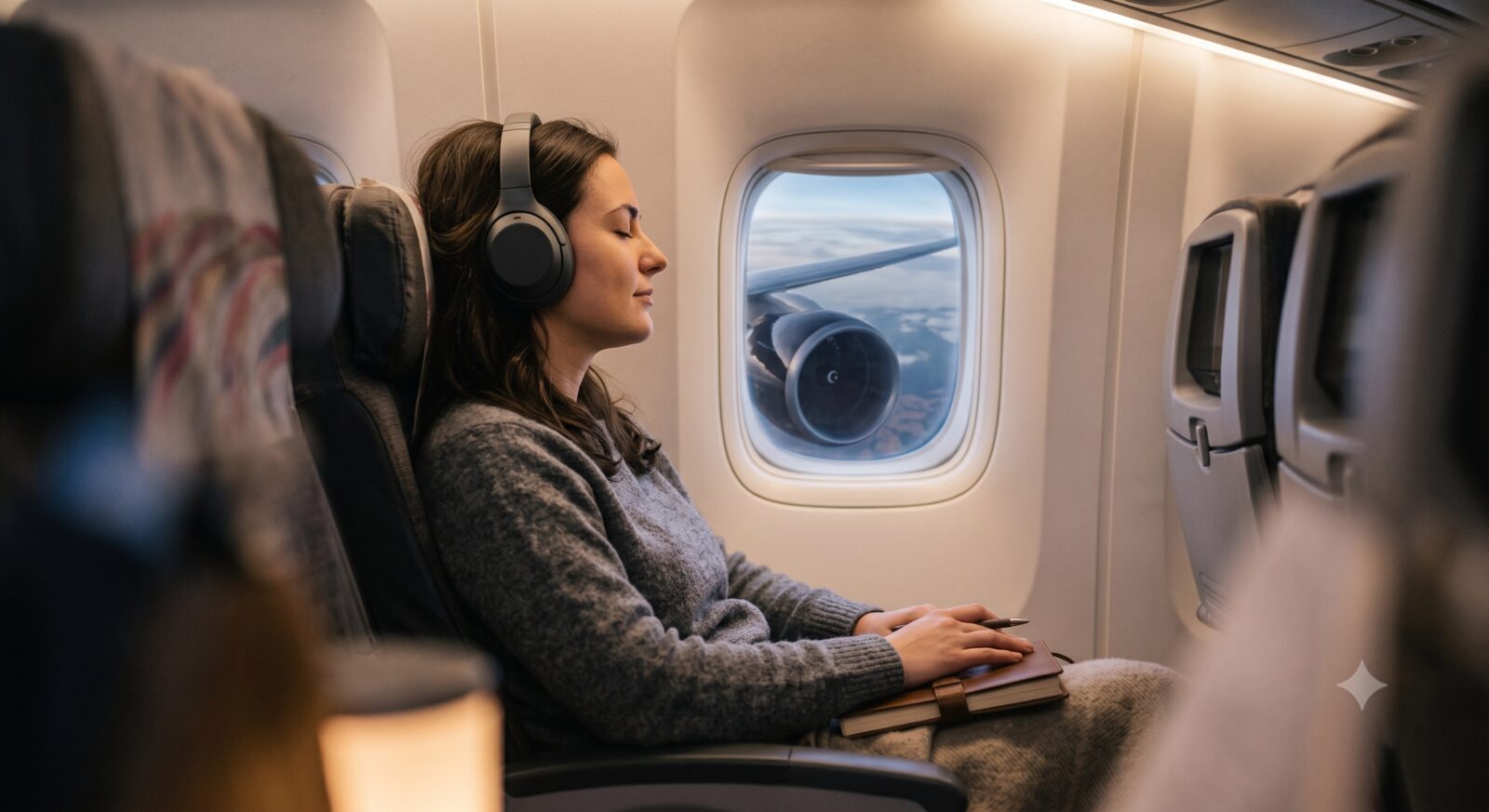
Active noise cancelling (ANC) uses microphones to sample ambient sound in real time, then generates an inverted sound wave through the driver to cancel it out — destructive interference, the same principle used in industrial and aviation noise control. This is exactly where ANC’s strength lines up with passive isolation’s weakness: it’s genuinely excellent at cancelling the low-frequency, consistent noise that passive isolation struggles with — engine drone, HVAC hum, cabin rumble. It’s much less effective against sudden, irregular sounds (a dog bark, a door slam, a sneeze) because the system can’t predict and cancel a sound it hasn’t sampled yet.
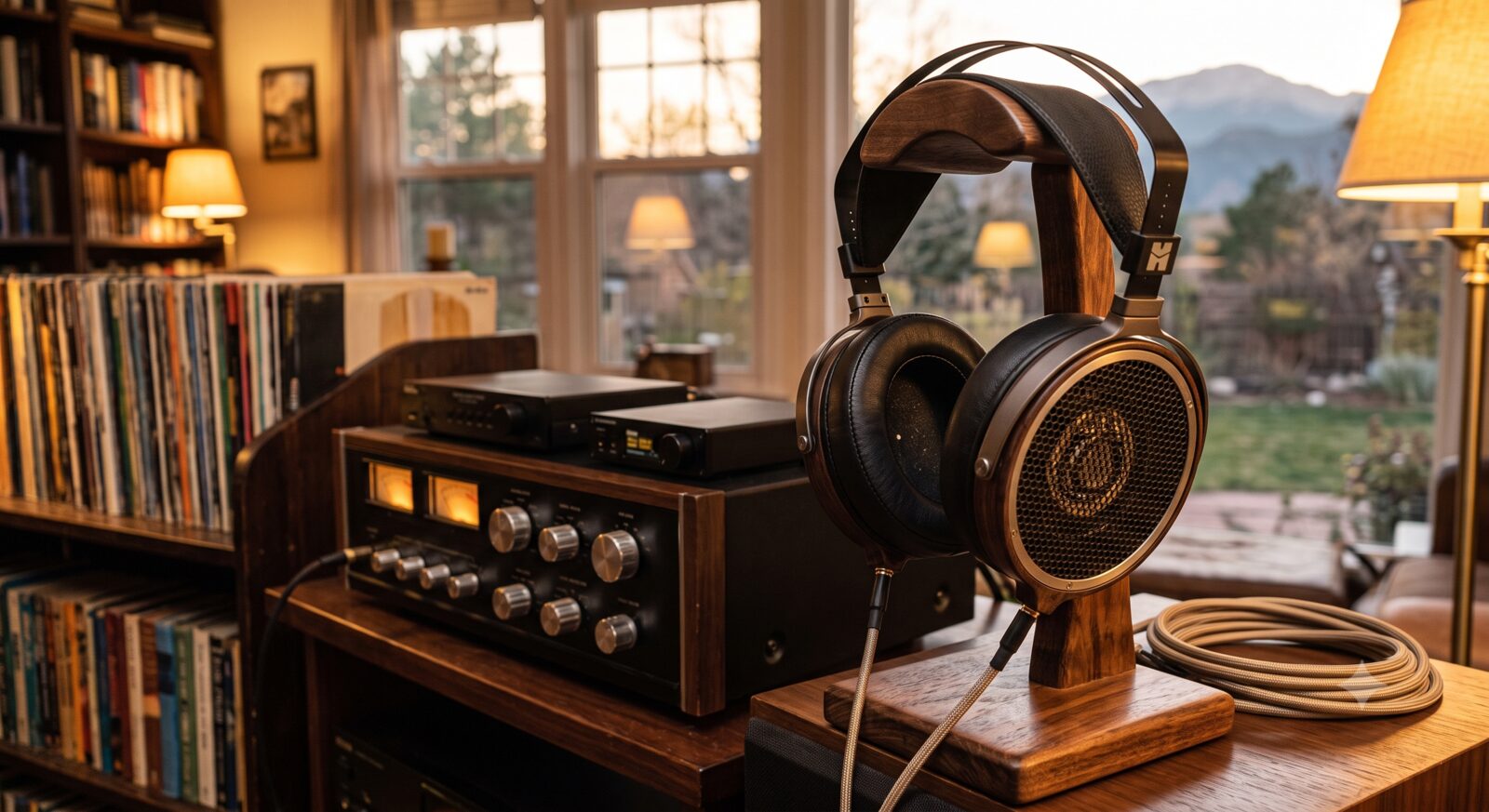
ANC requires a sealed closed-back design to work — it needs that acoustic chamber to generate the cancellation effect — so it’s never available on open-back headphones (see our Open-Back vs. Closed-Back guide for that distinction). It also draws battery power, meaningfully reducing runtime compared to the same headphone with ANC disabled.
They’re Complementary, Not Competing
The best noise-cancelling headphones combine both: a well-sealed closed-back design for passive isolation against mid/high frequencies, plus active cancellation layered on top for the low-frequency rumble passive isolation can’t touch. Neither technology alone gets you to “quiet” in a genuinely loud environment like an airplane cabin — it’s the combination that does the job. Most modern ANC headphones also offer a “transparency” or “ambient” mode that intentionally pipes outside sound back in through the microphones — genuinely useful for hearing a boarding announcement or a conversation without removing the headphones entirely, though it’s a separate feature from ANC itself and worth checking a specific model actually includes it rather than assuming.
Which Matters More for Your Situation
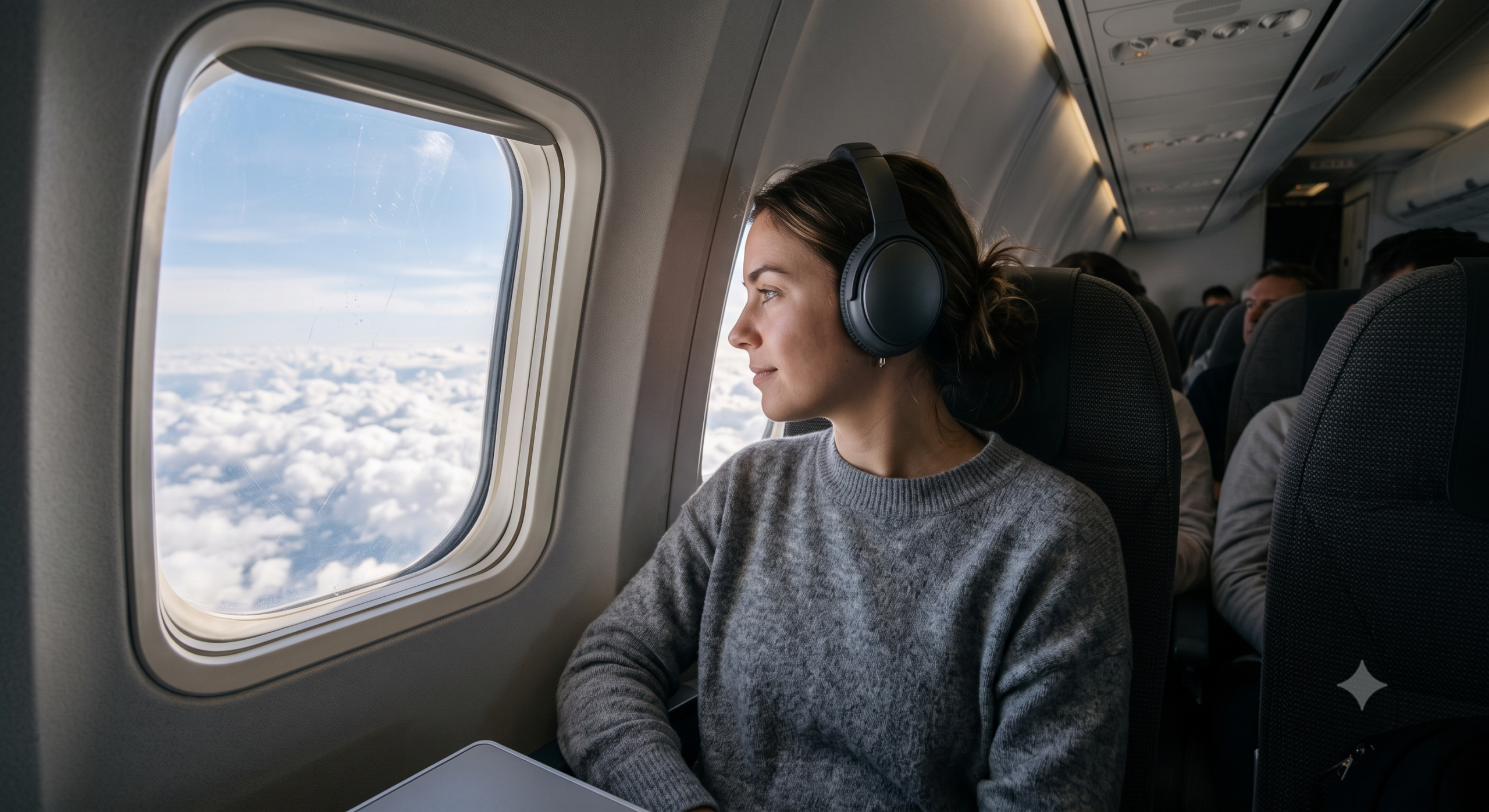
- Flights: ANC earns its keep here more than anywhere else — engine drone is exactly the low-frequency, consistent noise it’s built to cancel. This is the single strongest use case for paying extra for ANC.
- Trains and subways: a mix of low rumble (ANC territory) and irregular clatter and announcements (passive-isolation territory) — both technologies pull real weight here.
- Open office: mostly irregular mid-frequency noise — conversation, keyboard clatter, footsteps — which is where passive isolation from a good seal often matters as much as or more than ANC.
- Quiet home listening: neither is doing much work, since there’s little ambient noise to cancel or block in the first place — this is where the open-back option from our comparison guide becomes genuinely competitive again.
Where Marshall’s ANC Fits
The Monitor III A.N.C. is Marshall’s active-cancelling model, and per our full Marshall Headphones Review, it’s solidly competent against consistent low-frequency noise without reaching the very top of the category (Sony and Bose remain the benchmark for raw cancellation depth). If ANC isn’t a priority and you’d rather maximize battery life and portability instead, the Major V skips ANC entirely and leans on passive isolation alone from its on-ear seal. Compare both models directly before deciding which tradeoff fits your commute.
Frequently Asked Questions
Does ANC affect audio quality?
On well-implemented systems, the effect is minor and often not noticeable in normal listening — but some listeners do report a subtle background “pressure” or hiss with ANC engaged, particularly on older or budget implementations. It’s worth testing a specific pair before assuming it’s audio-transparent for your ears.
Can I use passive isolation headphones without any electronics at all?
Yes — any well-sealed closed-back or in-ear headphone gives you passive isolation with zero battery draw, which is a real advantage if you want isolation without worrying about charge levels or ANC-related audio artifacts.
Is ANC worth the extra cost if I mostly work from home?
Probably not, honestly. If your environment doesn’t have consistent low-frequency noise (traffic outside a window, an HVAC system, appliance hum), you’re paying for a feature that has little to cancel. Passive isolation from a well-sealed pair likely covers your actual needs at a lower price.