
This page contains affiliate links. If you make a purchase through one, we may earn a commission at no extra cost to you.
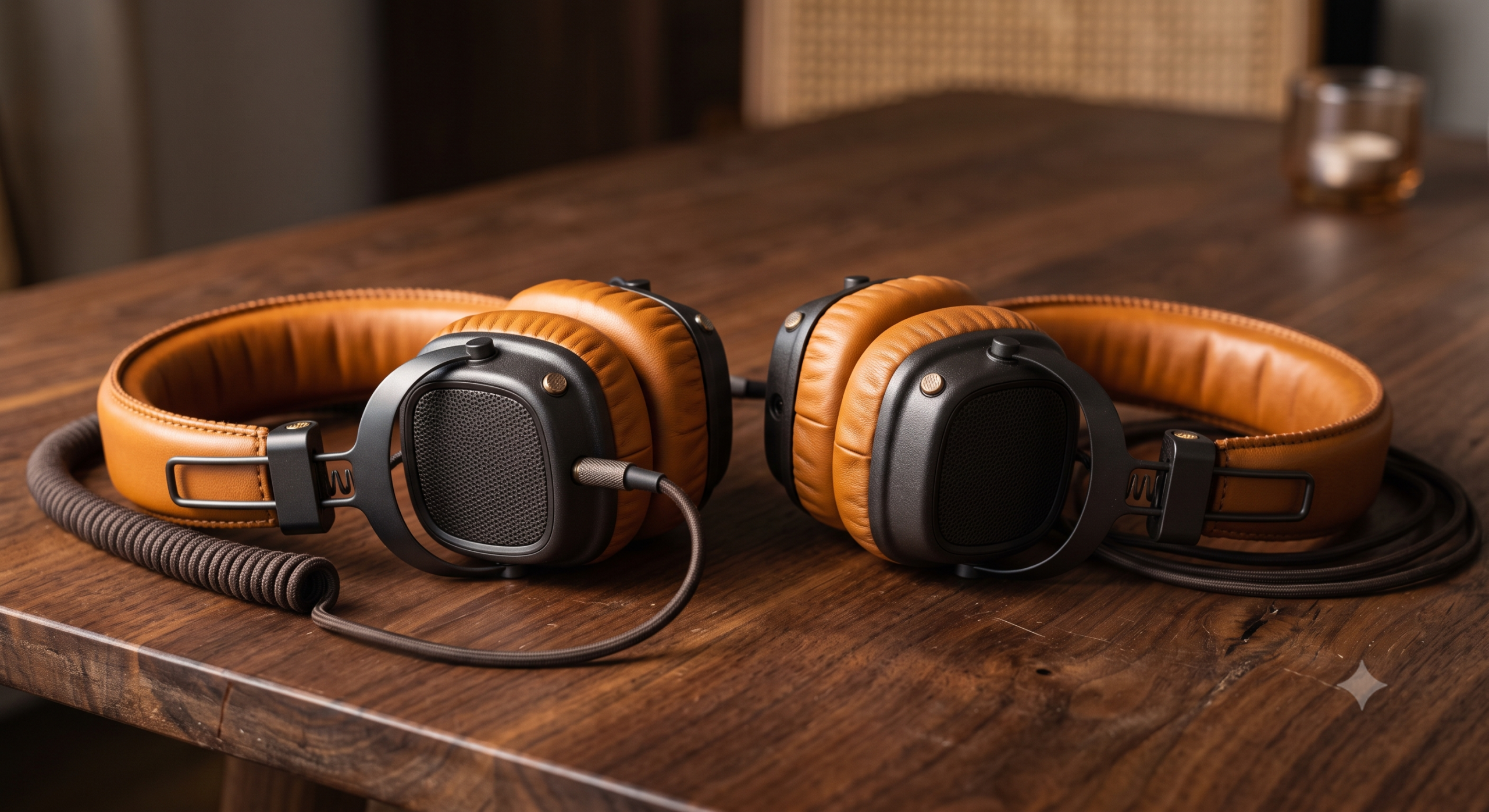
Marshall’s headphone lineup trades on decades of amp-stack brand recognition, but the headphones themselves are designed and built by Zound Industries under license — which matters, because it means you’re evaluating a genuinely engineered audio product, not just a logo on a generic shell. We focused this review on the two models most relevant to long-form listening: the Major V and the Monitor III A.N.C. Current pricing and model availability is here if you want to follow along with the specifics below.
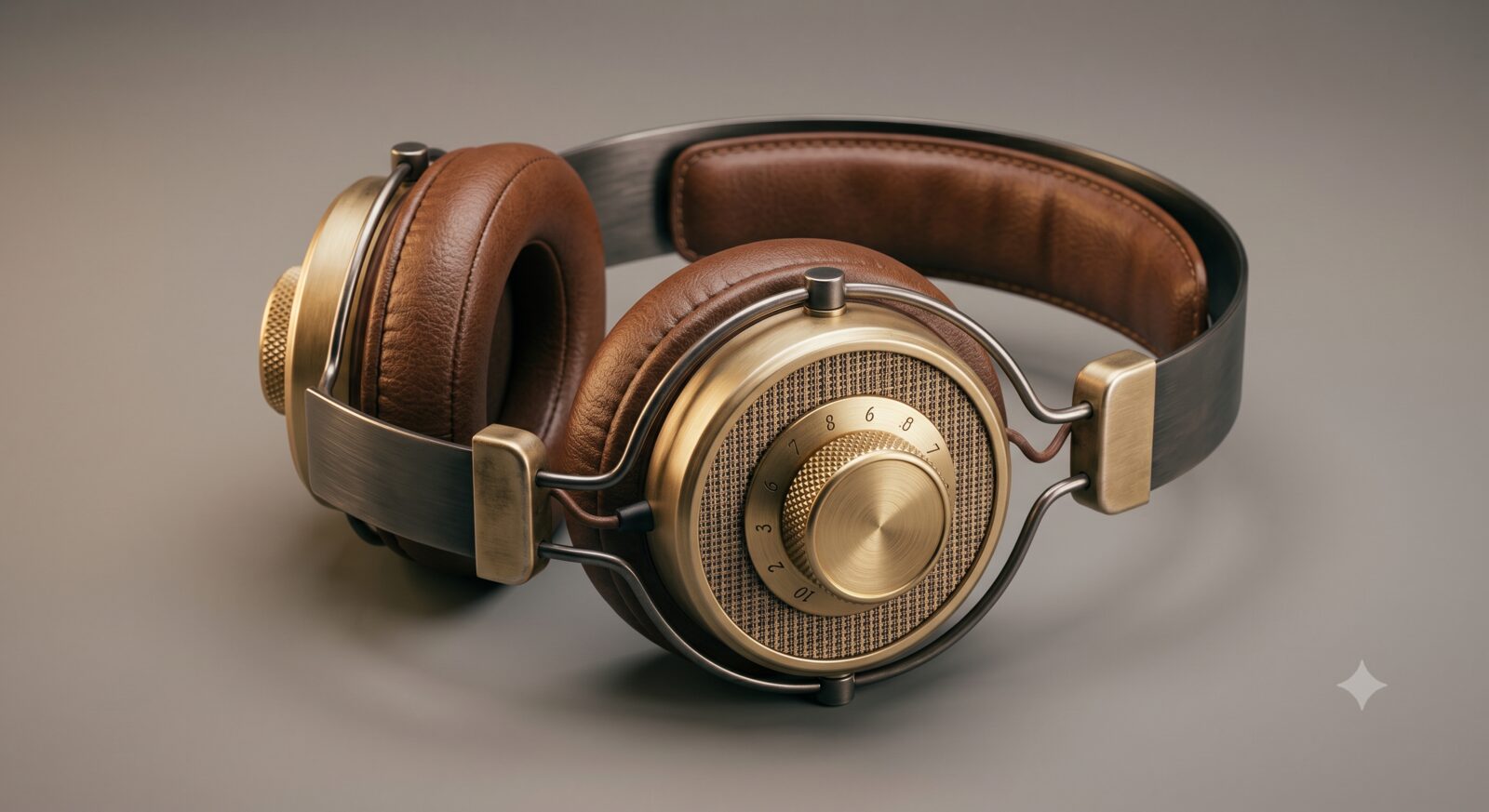
Marshall Major V
The Major V is the lightweight, foldable, on-ear option in the current lineup, and it’s the one most worth considering for audiobook and podcast listening specifically. Real strengths:
- Battery life: rated around 100 hours in standard use — genuinely class-leading, and enough to run through even the longest audiobook without a mid-book charging interruption
- Weight and portability: foldable, light on-ear design that travels well and doesn’t fatigue over multi-hour sessions the way a heavier over-ear pair can
- Multi-point Bluetooth: pairs to two devices simultaneously, which is a genuinely practical feature if you switch between a phone and a laptop mid-session
The one real caveat, and it’s worth knowing before you buy rather than discovering after: the Major V does not have active noise cancelling. If you were assuming ANC based on general premium-headphone expectations, it isn’t here — Marshall reserves that feature for the Monitor line. For home or quiet-environment listening this doesn’t matter much, but for a noisy commute or open office it’s a real limitation worth weighing against the battery-life and portability wins.

Marshall Monitor III A.N.C.
The Monitor III A.N.C. is the over-ear, noise-cancelling option, and it’s the more direct fit if isolation is the priority — a noisy commute, open-plan office, or shared living space where you need external sound blocked out. Real strengths:
- Active noise cancelling: genuinely effective against consistent low-frequency noise (engine drone, HVAC hum, train rumble) — less effective against sudden sharp sounds like a dog bark or a door slam, which is standard behavior for ANC systems generally, not a Marshall-specific weakness
- Over-ear comfort: memory foam cushions and a genuinely well-padded headband hold up over multi-hour sessions better than most on-ear designs
- Tuning: relatively balanced through the midrange rather than aggressively bass-boosted, which — as covered in our Best Headphones for Audiobooks guide — is exactly what you want for spoken-word clarity
The tradeoff versus the Major V is straightforward: more weight, shorter battery life with ANC engaged (still comfortably enough for a full audiobook session, just not the Major V’s marathon numbers), and a higher price point for the added ANC hardware.
Build Quality and the Premium-Pricing Question
Here’s the honest caveat worth stating plainly: Marshall headphones carry a real brand premium relative to the raw build materials in some models — you’re paying partly for the amp-stack aesthetic and leatherette-and-knurled-dial design language, not purely for componentry that would cost the same from an unbranded manufacturer. That’s not unique to Marshall; it’s true of most brand-name consumer electronics to some degree. Where it matters is expectation-setting: buy these for the tuning, comfort, and (on the Major V) exceptional battery life, not because the materials alone would justify the price in a blind teardown comparison.
Who Should Skip Marshall Entirely
Worth stating plainly rather than glossing over: if best-in-class ANC depth is your top priority, neither model is the right buy — go read our take on the Sony/Bose tier instead, since the honest answer above is that the Monitor III A.N.C.’s noise cancelling is good, not flagship-level. And if you specifically want an aggressively bass-forward “fun” sound signature for electronic music or hip-hop, Marshall’s balanced, midrange-forward tuning — the exact thing that makes these good for audiobooks — will read as underwhelming for that use case. Buy Marshall for the tuning, comfort, and (on the Major V) genuinely exceptional battery life, not to chase a specific bass-heavy sound or class-leading ANC.
Which One Should You Buy?
- Choose the Major V if: you listen mostly at home or in quiet environments, prioritize battery life and portability, and don’t need noise cancelling.
- Choose the Monitor III A.N.C. if: you commute, work in a noisy or open office, or otherwise need real isolation from your environment.
Check current pricing and availability for both models before deciding — pricing gaps between the two shift with sales cadence, and that can reasonably tip the decision on its own.
Bottom Line
Marshall Major V: 4.5/5. Class-leading battery life and a light, comfortable build for marathon sessions — the right pick if you listen mostly at home and don’t need noise cancelling.
Marshall Monitor III A.N.C.: 4.2/5. Solid, genuinely useful noise cancelling and strong over-ear comfort, though not at the Sony/Bose flagship level — the right pick when isolation from a commute or noisy office matters more than battery life or weight.
Frequently Asked Questions
Are Marshall headphones good for music, or just spoken word?
They’re genuinely fine for music too — the relatively balanced tuning that benefits audiobook clarity doesn’t hurt music listening, it simply isn’t the aggressively bass-forward “fun” signature some competing brands chase. If you specifically want a heavy bass emphasis for electronic or hip-hop, that’s not really Marshall’s sound signature, but for general listening across genres it holds up well.
Does the Major V support wired listening if the battery dies?
Yes — both models include a 3.5mm cable option, so a dead battery doesn’t strand you mid-audiobook. That said, with the Major V’s roughly 100-hour battery life, running it fully dry takes real neglect rather than routine use.
How does the ANC compare to Sony or Bose?
Honestly, not quite at that level — Sony and Bose’s flagship ANC models remain the category benchmark for raw noise-cancelling depth. The Monitor III A.N.C.’s noise cancelling is solidly competent and genuinely useful for everyday commuting and office noise, but a dedicated ANC-flagship shopper comparing purely on cancellation strength will still find Sony and Bose ahead.