This page contains affiliate links. If you make a purchase through one, we may earn a commission at no extra cost to you.
If you’ve only ever listened to single-narrator audiobooks, a full-cast dramatized production is a genuinely different listening experience — not just a “fancier” version of the same thing. It’s worth understanding what actually changes in the format before you spend money on one, because it’s a real fork in the road: some listeners find it the best way to experience fiction, and others find it actively distracting. Both reactions are legitimate. If you already know you want to try it, see what’s currently available in GraphicAudio’s catalog — otherwise, here’s what actually changes and who it’s genuinely for.
What “Full-Cast Dramatized” Actually Means
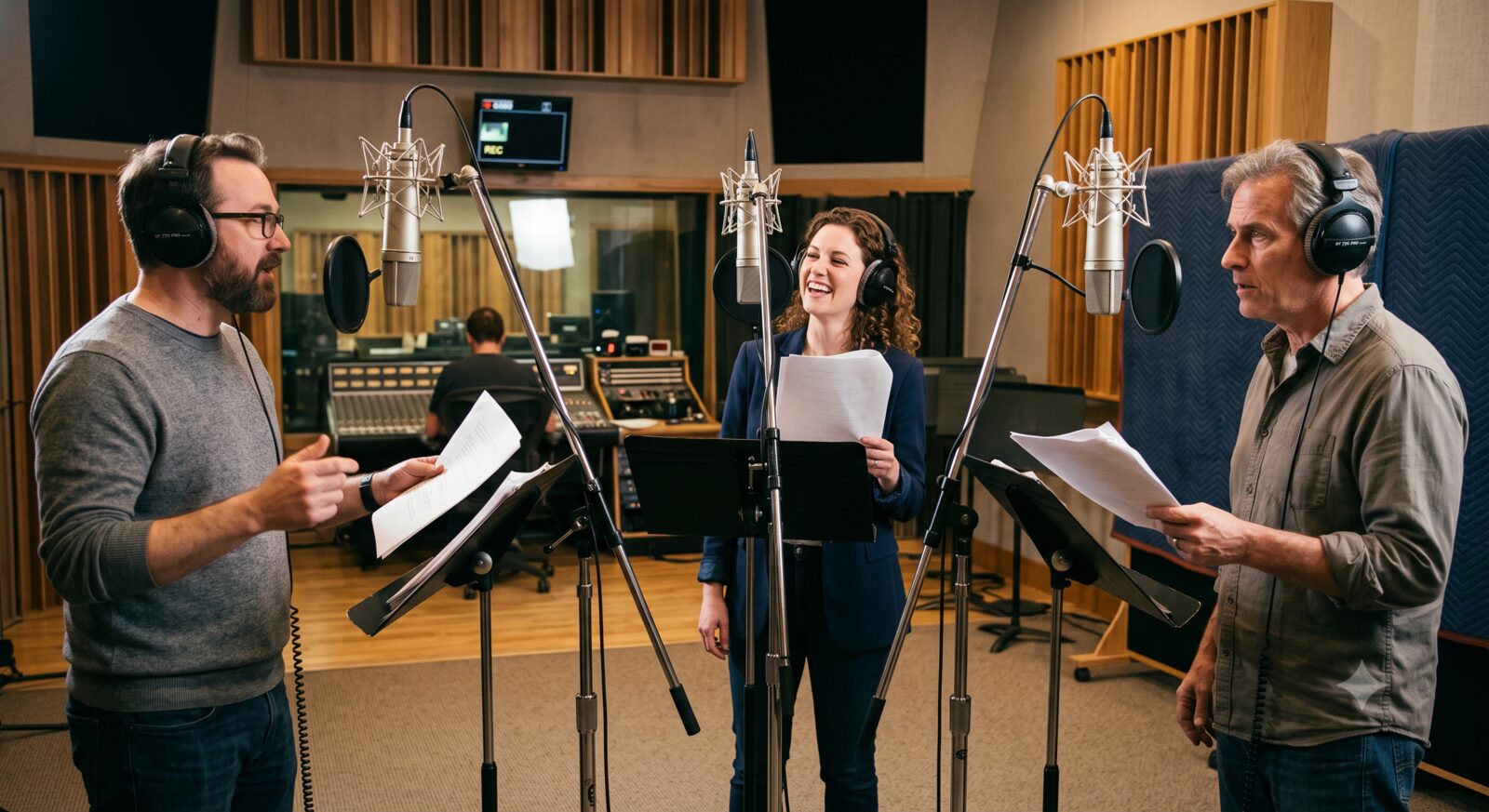
A standard audiobook is one narrator reading the entire text, including dialogue tags (“she said,” “he asked angrily”) and description, typically with modest vocal differentiation between characters. A full-cast dramatized production — the format GraphicAudio built its catalog around — instead casts a separate voice actor for every named character, adds a cinematic musical score, and layers in sound effects: footsteps, gunfire, explosions, ambient room tone, weather. It’s closer to a radio drama or an audio film than a book being read aloud.
Is It Abridged? A Common Misconception
No — and this is the most common misunderstanding about the format. A dramatized production isn’t cutting content; it’s converting attribution text into performance. When a traditional audiobook says ‘”I don’t trust him,” Sarah said, glancing nervously at the door,’ a dramatized version simply has the actor playing Sarah deliver the line with that nervousness audible in her voice, while a sound cue and score convey the tension — the same information reaches you through performance and sound design rather than narrated description. The underlying story, plot, and dialogue remain intact; what changes is how that content is delivered to your ears.
Where the Format Genuinely Shines
- Ensemble sci-fi and fantasy — large casts with distinct characters benefit enormously from a real voice actor per character instead of one narrator’s vocal approximations
- Dialogue-heavy books — fast back-and-forth conversation reads far more naturally as an actual conversation between different voices than as one performer switching tones mid-sentence
- Multi-POV stories — when a book jumps between several characters’ perspectives, distinct casting makes the transitions immediate and unambiguous instead of relying on you tracking narrator inflection
- Action and combat scenes — sound design (gunfire, explosions, footsteps, environmental audio) adds a genuine sense of scale that narration alone can’t replicate
Who the Format Isn’t For
This is where honesty matters more than a sales pitch. Some listeners find the constant music and sound effects distracting rather than immersive — particularly for literary fiction, memoir, or introspective/character-study novels where a single measured narrative voice is actually the better fit for the material. If you use audiobooks specifically as background for tasks requiring concentration (work, studying), the denser soundscape of a dramatized production competes for attention in a way a plain narrator generally doesn’t. And if you’re used to conventional audiobooks, the format has a real adjustment period — the first title can feel more like a movie you’re not watching than a book you’re used to, and that’s a legitimate “not for me” reaction, not a sign you’re doing it wrong.
Why the Production Costs More
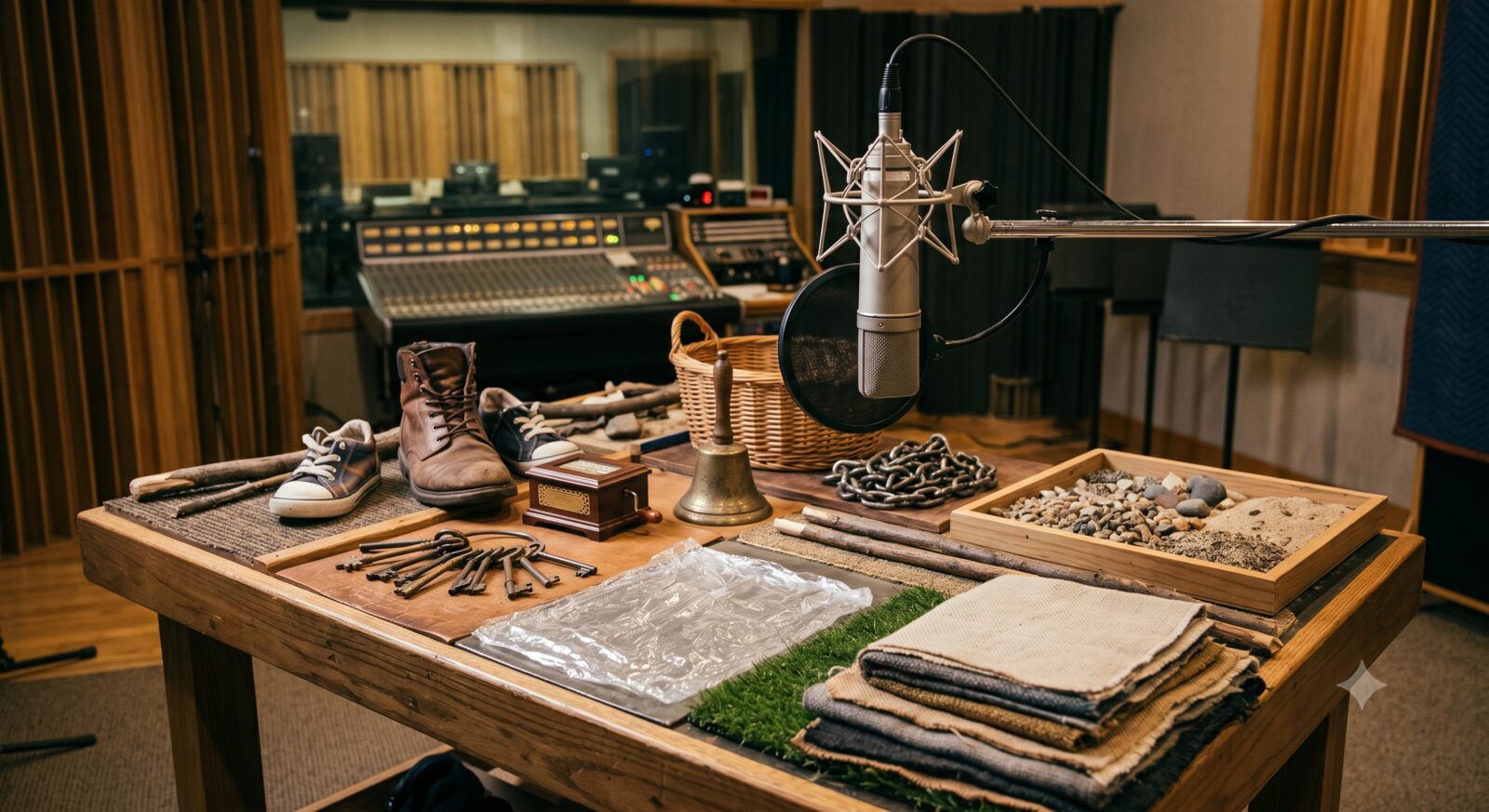
A single-narrator audiobook requires one performer, one studio session, and one editing pass. A dramatized production requires casting and directing an ensemble, scoring original or licensed music, sourcing or recording a full sound-effects library, and mixing all of it into a coherent final product — closer to producing an audio drama than recording a reading. That’s the honest reason GraphicAudio titles run roughly $25 per book rather than the $15-20 typical of a standard single-narrator audiobook (with subscription options available that bring the effective per-title cost down for regular listeners). It’s a genuinely more expensive thing to make, not just a premium markup on the same product.
Does This Change What Headphones You Should Use?
A little, yes. Because a full-cast production spreads voices, music, and effects across the stereo field instead of centering one narrator, the comfort and battery-life criteria that matter for any long-form listening still apply, but soundstage and channel separation start to matter more than they do for standard narration — a voice actor panned to one side needs to stay distinct from the score and effects happening elsewhere in the mix. It’s not a dealbreaker with narrow-soundstage headphones, but if you already own open-back headphones, they’ll generally render a dramatized mix’s spatial cues more clearly than a closed-back pair tuned narrower and more forward. This isn’t unique to GraphicAudio’s format specifically — it applies to any full-cast or heavily sound-designed audio — but it’s worth knowing before you assume any decent pair of headphones renders the format identically.
How to Know Which Camp You’re In
The fastest test: think back to whether you preferred audio dramas, radio plays, or narrative-driven podcasts (fiction podcasts with full casts and sound design) to plain narration, if you’ve been exposed to both. If yes, dramatized audiobooks are very likely to land well for you. If you’ve always preferred a single calm narrator — even for fiction — and found dramatized formats (movie adaptations of books you loved, for instance) to feel like “too much,” a standard narration is probably still your better fit, and that’s a completely reasonable preference to have.
Our full GraphicAudio Review covers pricing, subscription options, and catalog breadth in more depth if you want to try the format for yourself. Browse GraphicAudio’s catalog to see what’s available in genres you already read.
Frequently Asked Questions
Does a dramatized audiobook change the author’s original text?
No — the story, dialogue, and plot are the author’s original work. What changes is delivery: attribution and description are converted into performance and sound design rather than spoken narration, but no story content is added, removed, or altered.
Do dramatized audiobooks run longer or shorter than standard versions?
Runtimes are usually comparable, sometimes slightly shorter, since removing spoken dialogue tags (“he said”) in favor of vocal performance can trim a small amount of run time even though nothing narratively is cut.
Can I try the format before committing to a subscription?
Yes — single-title purchases are available without a subscription, which is the lower-commitment way to find out which camp you’re in before deciding whether a subscription’s per-title economics make sense for your listening habits.